

Blog
The evolution of casinos tracing their historical roots and cultural impact

The evolution of casinos tracing their historical roots and cultural impact
Origins of Gambling and Early Casino Development
The concept of gambling is ancient, tracing its roots back thousands of years to various cultures around the globe. Archaeological evidence suggests that forms of gambling were practiced in ancient China, with rudimentary games of chance appearing as early as 2300 BC. Additionally, the Romans enjoyed various gambling games during festivities, utilizing dice and betting on gladiatorial contests. These early practices laid the groundwork for organized gambling, which would evolve into modern casinos. Today, platforms like Robin Hood Bingo Casino provide enticing opportunities for players, offering promotions such as https://robinhoodbingocasino.co.uk/bonus/ that enhance the gaming experience.
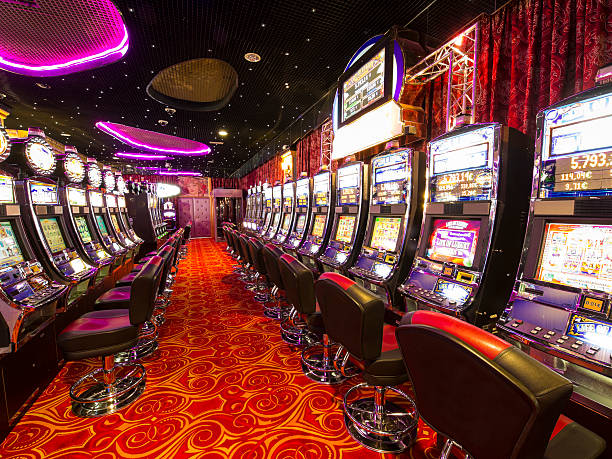
By the 17th century, the establishment of the first official casinos marked a significant evolution in gambling culture. The Ridotto in Venice, founded in 1638, is widely recognized as the first government-sanctioned gambling house, offering a controlled environment for players. Its regulations set a precedent for future casinos, ensuring fair play and offering a social space for patrons. The popularity of such establishments began to spread across Europe, blending with local customs and traditions.
The 18th and 19th centuries witnessed the rapid expansion of casinos, particularly in France with the opening of establishments like the Casino de Spa in Belgium. These venues not only provided gambling options but also served as social hubs, attracting a diverse range of clientele. The interplay between gambling and social interaction became essential, as these spaces catered to the elite and those seeking entertainment, further entrenching casinos into the fabric of European culture.
Casinos in America: From Wild West to Las Vegas
As Europeans immigrated to America, they brought their gambling traditions with them, leading to a burgeoning gambling scene during the Gold Rush era. The Wild West was characterized by saloons and gaming houses where card games and dice games were prevalent. These informal establishments offered a sense of excitement and risk, appealing to miners and settlers alike. However, the lack of regulation often led to cheating and corruption, prompting a desire for more structured gambling environments.
The transformation of American casinos began in the early 20th century, particularly with the establishment of legalized gambling in places like Nevada. In 1931, Nevada legalized casinos, paving the way for Las Vegas to become synonymous with glamorous gambling experiences. The construction of iconic casinos such as The Flamingo by Bugsy Siegel marked the beginning of an era that combined entertainment, luxury, and gaming. Las Vegas soon evolved into a global gambling destination, attracting tourists from around the world.
The late 20th century saw a further shift in American casino culture with the expansion of gaming beyond Nevada. States like New Jersey legalized casinos, leading to the growth of Atlantic City as a competitor to Las Vegas. This diversification transformed the gambling landscape, introducing new forms of entertainment, from lavish shows to fine dining, making casinos more than just gambling venues but full-fledged entertainment complexes.
The Cultural Impact of Casinos Worldwide
Casinos have profoundly influenced popular culture, serving as settings for films, literature, and music. Iconic films like “Casino Royale” and “Ocean’s Eleven” have romanticized the casino experience, showcasing the thrill of gambling and the allure of high-stakes games. These representations have contributed to a global fascination with casinos, portraying them as glamorous yet risky environments. Such narratives often intertwine with themes of power, deception, and fortune.
Moreover, casinos reflect and shape local cultures, adapting to the societal norms and values of their environments. In Asian cultures, for instance, gambling is deeply ingrained and celebrated during festivals, with casinos often incorporating traditional elements. This fusion of culture and gambling illustrates the versatility of casinos, making them appealing across different demographics while fostering community connections through shared experiences.
The economic impact of casinos is also noteworthy, as they often serve as significant revenue sources for local governments. In regions where casinos operate, they can create jobs, stimulate tourism, and generate tax income. This economic relationship has led many countries to embrace casino development as a means of enhancing their economies, but it also raises discussions about the social implications of gambling addiction and responsible gaming practices.
Modern Trends in Casino Development
The advent of technology has transformed the casino experience, leading to the rise of online casinos and digital gambling platforms. With advancements in internet connectivity, players can now access a wide range of games from the comfort of their homes. Online casinos have broadened the audience for gambling, making it accessible to a demographic that may not have previously engaged with traditional casinos. This shift has ushered in innovations such as live dealer games, which bridge the gap between online and in-person experiences.
Additionally, brick-and-mortar casinos have adapted to the changing landscape by integrating technology into their operations. Features such as cashless gaming, mobile apps for reservations, and enhanced customer service experiences have become standard. Casinos are also focusing on creating immersive environments, blending gaming with entertainment options like concerts and culinary experiences, enhancing the overall customer experience.
The focus on responsible gaming has gained traction as casinos recognize their social responsibilities. Many establishments have implemented measures to promote safer gambling practices, including self-exclusion programs and information on responsible gaming. By prioritizing player welfare, casinos are working to ensure that their operations contribute positively to society while maintaining profitability and engagement.

Exploring Online Casinos and Their Unique Offerings
Online casinos have emerged as a prominent facet of modern gambling, providing unique experiences that cater to diverse player preferences. Platforms like Robin Hood Bingo Casino offer a vast array of games, from traditional slots to innovative live dealer options, creating an engaging virtual environment. These casinos attract players through appealing bonuses and promotions, such as free spins and no-deposit bonuses, allowing users to explore their offerings without significant financial commitment.
The convenience of online gaming has transformed how individuals approach gambling. With user-friendly interfaces and robust mobile applications, players can access their favorite games anytime and anywhere. This accessibility has been a game-changer, especially for those who prefer the comfort of home over crowded casino floors. Loyalty programs and cashback incentives further enhance the online gaming experience, fostering long-term relationships between players and platforms.
Moreover, online casinos often provide a clear structure of terms and conditions, ensuring transparency and building trust with players. As the online gambling industry continues to evolve, the importance of customer satisfaction becomes paramount, prompting operators to innovate and improve their offerings continuously. The balance between entertainment and responsible gaming practices will define the future of this dynamic segment of the casino landscape.